
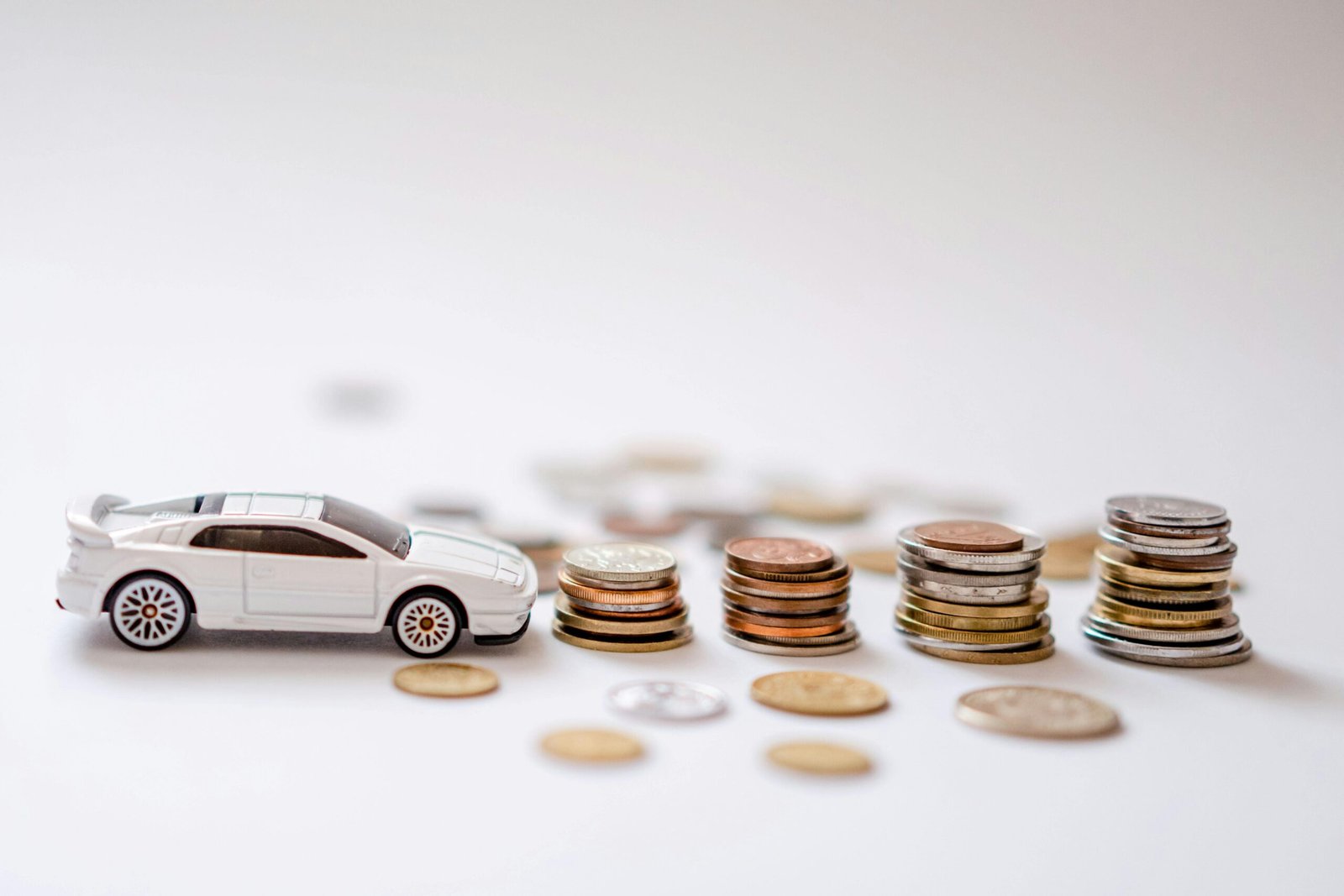
Car insurance has become an essential part of modern transportation and financial protection. Millions of people around the world rely on vehicles every day for work, education, travel, and daily activities. As road traffic continues increasing and modern vehicles become more advanced, the importance of car insurance is also growing rapidly. In 2026, the car insurance industry is experiencing major transformation because of digital technology, Artificial Intelligence, automation systems, and changing customer expectations.
Car insurance helps drivers manage financial risks related to accidents, vehicle damage, theft, liability claims, and medical expenses. Without proper insurance coverage, unexpected road incidents may create serious financial problems for drivers and families. Modern insurance systems now use digital platforms, data analysis, mobile applications, and AI-powered technologies to improve customer experience and risk management.
Understanding how car insurance works and how the industry is evolving can help drivers make smarter decisions about financial protection and road safety.
What Is Car Insurance?
Car insurance is a financial agreement between a driver and an insurance company. The driver pays regular premiums, and in return, the insurance provider offers financial protection against covered losses or damages involving the vehicle.
Car insurance policies may include:
Accident coverage
Vehicle damage protection
Third-party liability
Theft protection
Medical expenses
Natural disaster coverage
Roadside assistance
Personal injury protection
Different insurance plans provide different levels of protection depending on policy terms and coverage options.
Car insurance helps reduce the financial impact of accidents and unexpected vehicle-related incidents.
Why Car Insurance Is Important
Road accidents can happen unexpectedly regardless of driving experience or vehicle quality.
Accidents may result in expensive repairs, medical bills, legal claims, or financial losses.
Car insurance helps drivers manage these costs more effectively and provides peace of mind while driving.
Many countries legally require drivers to carry at least basic vehicle insurance coverage.
Insurance also helps protect passengers, pedestrians, and other drivers involved in road accidents.
Without insurance, drivers may face major financial and legal consequences after accidents.
Rising Vehicle Costs and Insurance Needs
Modern vehicles are becoming increasingly advanced with expensive technologies such as sensors, cameras, navigation systems, and computerized controls.
Repairing or replacing modern vehicles can be very costly.
Because of rising vehicle prices and repair expenses, insurance coverage has become even more important.
Luxury vehicles, electric cars, and technology-equipped automobiles often require specialized insurance policies.
Insurance providers continuously update coverage plans to match modern transportation trends and customer needs.
Types of Car Insurance
There are several different types of car insurance available depending on location, legal requirements, and personal preferences.
Common types include:
Liability insurance
Collision coverage
Comprehensive insurance
Personal injury protection
Uninsured motorist coverage
Roadside assistance plans
Comprehensive insurance generally provides broader protection against theft, natural disasters, vandalism, and non-collision damage.
Drivers should carefully compare policies before selecting suitable coverage.
Liability Insurance
Liability insurance is one of the most important forms of vehicle coverage.
It helps cover damages or injuries caused to other people during an accident where the insured driver is considered responsible.
Liability coverage may include:
Property damage costs
Medical expenses
Legal fees
Compensation claims
In many countries, liability insurance is legally required for vehicle owners.
This type of coverage protects drivers from major financial losses resulting from road accidents.
Comprehensive and Collision Coverage
Collision coverage helps pay for repairs or replacement if a vehicle is damaged in an accident.
Comprehensive insurance covers non-collision events such as:
Vehicle theft
Fire damage
Floods
Storms
Vandalism
Falling objects
Animal collisions
Drivers often combine collision and comprehensive coverage for stronger financial protection.
These policies are especially valuable for newer or higher-value vehicles.
Car Insurance and Road Safety
Insurance companies encourage safe driving because responsible drivers generally create fewer claims and lower financial risks.
Some insurers offer discounts for:
Safe driving records
Defensive driving courses
Low annual mileage
Vehicle safety features
Telematics monitoring systems
Road safety awareness helps reduce accidents and benefits both drivers and insurance providers.
Modern technology is also improving vehicle safety through driver assistance systems and smart monitoring tools.
Artificial Intelligence in Car Insurance
Artificial Intelligence is transforming the car insurance industry rapidly.
Insurance companies now use AI-powered systems to:
Analyze driving behavior
Process claims
Detect fraud
Calculate risks
Improve customer service
AI systems can analyze large amounts of driving data quickly and help insurers make more accurate decisions.
Automation also speeds up claims processing and reduces paperwork delays.
As AI technology improves, insurance systems are becoming more efficient and personalized.
Telematics and Smart Insurance
Telematics technology allows insurance companies to monitor driving behavior through connected devices or smartphone applications.
These systems may track:
Driving speed
Braking habits
Travel distance
Acceleration patterns
Driving times
Safe drivers may receive lower insurance premiums through usage-based insurance programs.
Telematics systems encourage responsible driving and allow insurers to calculate risks more accurately.
This technology is becoming increasingly common in modern car insurance markets.
Digital Transformation in Insurance
The insurance industry has become more digital than ever before.
Many companies now provide:
Online policy purchases
Digital claim submissions
Mobile applications
Instant customer support
Real-time policy management
Users can compare insurance plans, renew policies, upload documents, and track claims directly from smartphones or computers.
Digital systems improve convenience and customer accessibility significantly.
Car Insurance Fraud
Insurance fraud is a major challenge within the automotive insurance industry.
Fraudulent activities may include:
Fake accidents
False damage claims
Staged collisions
Identity fraud
Exaggerated repair costs
Insurance fraud increases costs for providers and policyholders.
Artificial Intelligence helps detect suspicious patterns and investigate claims more efficiently.
Advanced fraud prevention systems improve fairness and reduce financial losses across the industry.
Electric Vehicles and Insurance
Electric vehicles are becoming increasingly popular worldwide because of environmental awareness and advancements in battery technology.
However, electric cars often involve unique insurance considerations.
Battery systems, charging technology, and repair costs may affect insurance premiums differently compared to traditional vehicles.
Insurance providers are developing specialized policies for electric vehicles as the automotive industry evolves toward cleaner transportation systems.
Self-Driving Cars and Future Insurance Models
Autonomous vehicle technology is one of the biggest future developments in transportation.
Self-driving vehicles use Artificial Intelligence, sensors, and advanced computer systems to operate with reduced human involvement.
Although fully autonomous vehicles are still developing, they may eventually change how insurance systems work.
Future insurance models may shift more responsibility toward manufacturers, software developers, and technology providers rather than individual drivers.
The rise of autonomous transportation may create entirely new insurance categories and regulations.
Factors Affecting Insurance Premiums
Insurance premiums are calculated based on several risk-related factors.
These may include:
Driver age
Driving history
Vehicle type
Location
Annual mileage
Claim history
Vehicle safety features
Insurance companies analyze these factors to estimate the likelihood of accidents or claims.
Drivers with clean records and safe driving habits often receive lower premiums.
Importance of Reading Insurance Policies
Many people purchase insurance without fully understanding policy terms and conditions.
Before choosing coverage, drivers should carefully review:
Coverage limits
Deductibles
Exclusions
Claim procedures
Repair policies
Additional benefits
Understanding policy details helps drivers avoid confusion and choose coverage that matches their needs.
Challenges in the Car Insurance Industry
Although car insurance provides valuable protection, the industry also faces several challenges.
Rising repair costs, inflation, cybersecurity risks, fraudulent claims, and rapidly changing vehicle technology create pressure on insurance providers.
Customers also expect faster digital services, transparent pricing, and better claim experiences.
Insurance companies must continue adapting to technological and market changes to remain competitive.
Cybersecurity and Connected Vehicles
Modern vehicles increasingly rely on internet connectivity, digital systems, and smart technologies.
Connected vehicles may face cybersecurity risks such as hacking or unauthorized data access.
Insurance companies and automotive manufacturers are working to improve vehicle cybersecurity and protect driver information.
As smart transportation systems continue expanding, cybersecurity will become an even more important part of automotive insurance.
Environmental Factors and Climate Risks
Climate-related events such as floods, storms, wildfires, and extreme weather conditions can increase vehicle damage claims.
Insurance companies must adapt to environmental risks and changing weather patterns.
Natural disasters are becoming more significant considerations in vehicle insurance pricing and coverage planning.
Drivers living in high-risk areas may face higher premiums depending on environmental conditions.
Customer Experience and Modern Expectations
Modern customers expect fast, simple, and digital-friendly insurance experiences.
People want:
Quick claim approvals
Easy mobile access
Transparent pricing
Fast customer support
Flexible payment options
Insurance companies are investing heavily in digital transformation to improve customer satisfaction and remain competitive in the modern market.
The Future of Car Insurance
Experts believe the future of car insurance will become increasingly technology-driven.
Future developments may include:
AI-powered risk analysis
Fully digital insurance systems
Real-time pricing models
Connected vehicle integration
Autonomous vehicle coverage
Improved fraud prevention
Smart contracts and automation
Technology will likely continue transforming the insurance experience for both providers and customers.
Financial Protection and Peace of Mind
Car insurance provides more than financial compensation after accidents.
It also offers peace of mind because drivers know they have support available during difficult situations.
Financial protection allows individuals and families to recover from unexpected events more effectively without facing overwhelming repair or legal costs.
Final Thoughts
Car insurance plays a critical role in modern transportation and financial security. As vehicles become more advanced and digital technology continues evolving, the insurance industry is also changing rapidly.
In 2026, Artificial Intelligence, telematics, automation, and digital platforms are transforming how car insurance works and improving customer experience.
Although challenges such as fraud, cybersecurity, and rising repair costs remain important, car insurance continues to provide essential protection for drivers worldwide.
As transportation technology evolves further, understanding modern insurance systems will become increasingly valuable for vehicle owners and everyday drivers.